


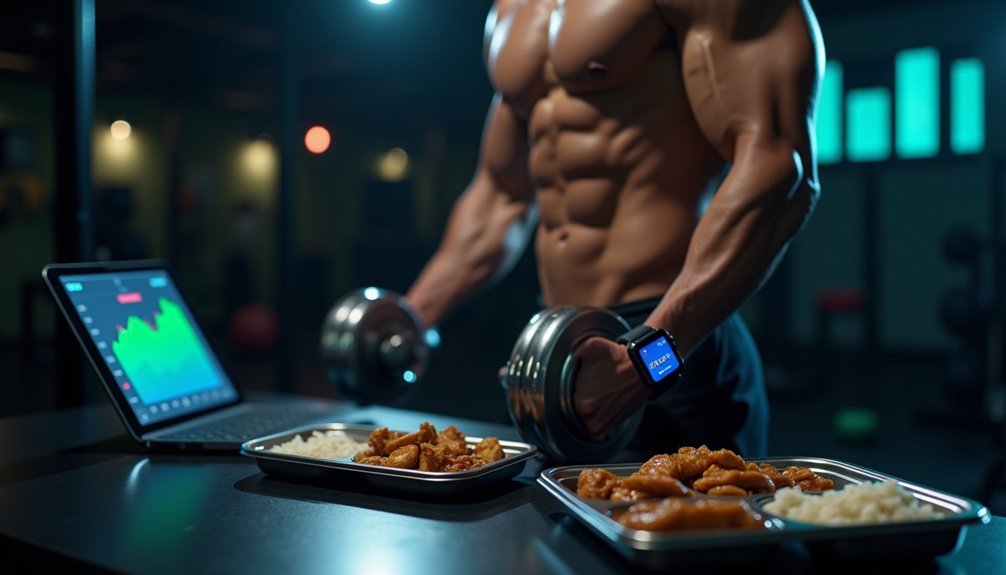
Bodybuilding has entered a new era, one defined not by instinct alone but by the measurable precision of data. Athletes now rely on wearable technology, AI-driven platforms, and physiological metrics to structure every training decision. The global wearable market is projected to reach $265 billion by 2026, and more than 70% of wearable users already apply output data to guide exercise and recovery strategies.
The integration of real-time physiological data has fundamentally changed how training loads are managed. HRV-guided training improves performance while reducing injury risk, and wearables now provide predictive insights on burnout before it occurs. Cortisol spikes 50% post-training, but adapts with experience, making ongoing monitoring a practical tool rather than a novelty. When athletes track these variables consistently, they train smarter rather than simply harder.
Resistance training science reinforces why precision matters. Muscle protein synthesis remains elevated for 48 hours post-training, supporting a superior training frequency of two to three sessions per week per muscle group. Satellite cell activation doubles with eccentric damage, and tendon stiffness increases 20% after 12 weeks of heavy loading. Bone density rises 2–3% annually under heavy mechanical load, while growth hormone release increases 300–500% during high-rep squat protocols.

Advanced techniques add further layers of measurable benefit. Drop sets increase muscle activation by 20% in targeted muscles, rest-pause training produces 28% greater strength gains over six weeks, and eccentric overload increases muscle thickness by 5.8% within ten weeks. Blood flow restriction training boosts hypertrophy by 10% using lighter loads, offering an evidence-based option for managing joint stress.
Nutrition tracking follows the same data-first logic. High-protein, low-carbohydrate dietary patterns reduce LDL cholesterol by 10%, and VO2 max improves 10% when resistance training is combined with cardio.
AI tools now analyze form, pace, and progress in real time, while AI adoption in fitness lead nurturing jumped from 10% to 68% in 2025 alone. Together, these systems give bodybuilders an infrastructure where every rep and macro carries measurable consequence. Fitness businesses leveraging these tools alongside smart operational systems report a 403% increase in clients, demonstrating how data-driven approaches transform outcomes far beyond the training floor.