

After an intense workout, the body enters a critical recovery window in which the right nutritional choices can determine the speed and quality of muscle repair. Consuming protein and carbohydrates within 30 to 60 minutes post-exercise maximizes muscle repair and glycogen replenishment. A protein intake of 20 to 40 grams per serving supports muscle protein synthesis, while carbohydrate consumption of 1.0 to 1.2 grams per kilogram of body weight within four hours aids energy store refilling. A carbohydrate-to-protein ratio of 3:1 is widely recommended for ideal nutrient utilization following exercise.
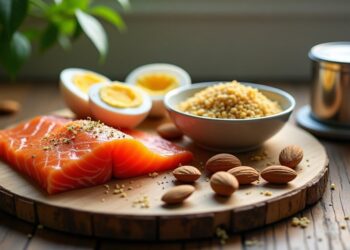
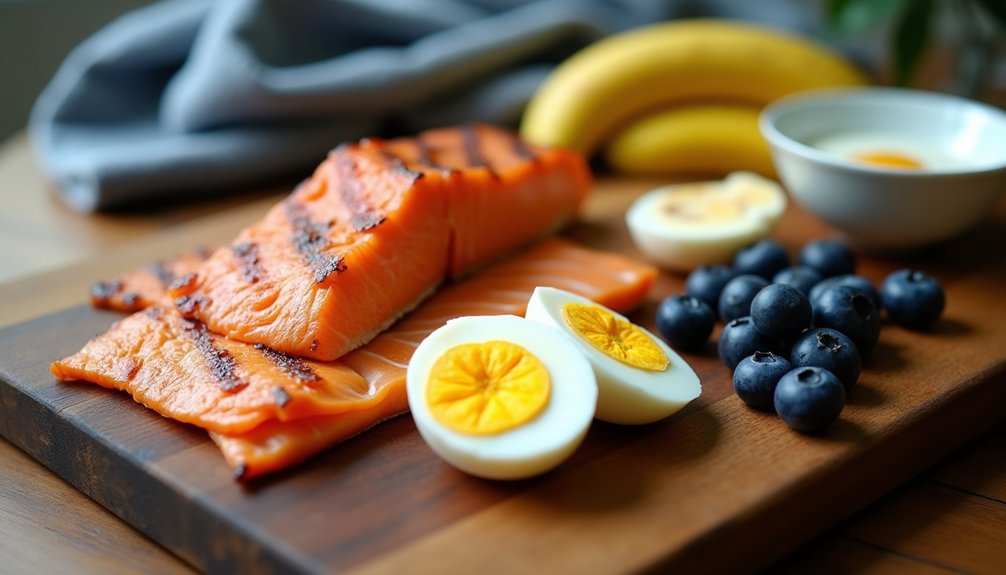
Protein quality matters greatly in the recovery process. Eggs provide a balanced source of protein and essential nutrients, while whey protein powder offers rapid absorption and high bioavailability for immediate muscle repair. Chicken breast supplies lean protein with low fat content, and Greek yogurt delivers protein alongside probiotics that support gut health and immune function.
Fish varieties such as cod and tilapia offer lean protein with minimal saturated fats, making them suitable for cardiovascular health as well.

Carbohydrate selection plays an equally important role. Bananas supply fast-digesting carbohydrates and potassium for electrolyte balance, whereas sweet potatoes provide complex carbohydrates and beta-carotene that aid recovery processes. Oatmeal offers sustained energy release and fiber supporting digestive health, and whole-grain pita bread serves as a fiber-rich option for glycogen restoration.
Root vegetables like carrots contribute complex carbs alongside vitamin C for antioxidant support.
Reducing post-exercise inflammation accelerates recovery and minimizes muscle soreness. Tart cherry juice contains anthocyanins that lessen post-exercise inflammation and muscle pain, while blueberries, strawberries, and raspberries provide antioxidants that help repair muscle damage.
Fatty fish such as salmon, mackerel, and sardines are high in omega-3 fatty acids effective at reducing joint stiffness. Green tea contains catechins known to reduce inflammation, and leafy greens such as spinach and kale supply vitamins A, C, and folate alongside minerals that support immune function.
Healthy fats further contribute to both recovery and cardiovascular health. Olive oil contains monounsaturated fats beneficial for heart health and reducing systemic inflammation. Almonds supply healthy fats and vitamin E, which protects cells from oxidative stress, while walnuts offer omega-3 fatty acids that support cardiovascular function and reduce muscle soreness.
Chia seeds and flaxseeds serve as plant-based omega-3 sources that also provide protein. Avocados contribute potassium and healthy fats that aid hydration and post-exercise recovery. Added sugars and alcohol can significantly worsen systemic inflammation and should be avoided to support optimal post-workout healing.
Combining these food categories strategically addresses the multiple physiological demands placed on the body after exercise. Prioritizing complete proteins, fiber-rich carbohydrates, anti-inflammatory foods, and heart-healthy fats within the post-workout window supports not only muscle synthesis and glycogen restoration but also long-term cardiovascular health and reduced recovery time.