

Achieving considerable muscle growth requires more than consistent training — it demands a precise nutritional strategy. Research consistently shows that protein intake, caloric surplus, carbohydrate fueling, dietary fat, and meal timing each play distinct roles in maximizing hypertrophy. Understanding how these elements interact allows individuals to build muscle more efficiently and with fewer setbacks.
Protein remains the cornerstone of any muscle-building diet. Experts recommend consuming 1.6–2.2 grams of protein per kilogram of body weight daily, with 1.6 g/kg representing the saturation point for most individuals. Spreading intake across at least four meals per day stimulates muscle protein synthesis multiple times throughout the day. Before bed, consuming 30–40 grams of casein protein has been shown to considerably increase overnight muscle protein synthesis and improve recovery.
Caloric surplus is equally essential. Individuals aiming to build muscle should maintain 350–500 calories above their daily maintenance level. A practical approach involves increasing total calorie intake by approximately 15% during a bulking phase — for example, moving from 3,000 to 3,450 calories. Avoiding excessive surplus prevents unwanted fat accumulation, while an insufficient surplus limits the energy available for tissue repair and growth.

Carbohydrates serve as the primary fuel source for intense training sessions. Guidelines recommend 4–7 grams of carbohydrates per kilogram of body weight per day to optimize muscle growth, with at least 3–5 g/kg required to power workouts effectively. Complex carbohydrates such as whole-grain breads, cereals, and fruits provide sustained energy and dietary fiber. However, high-fiber foods should be avoided immediately before or during physical activity to prevent digestive discomfort.
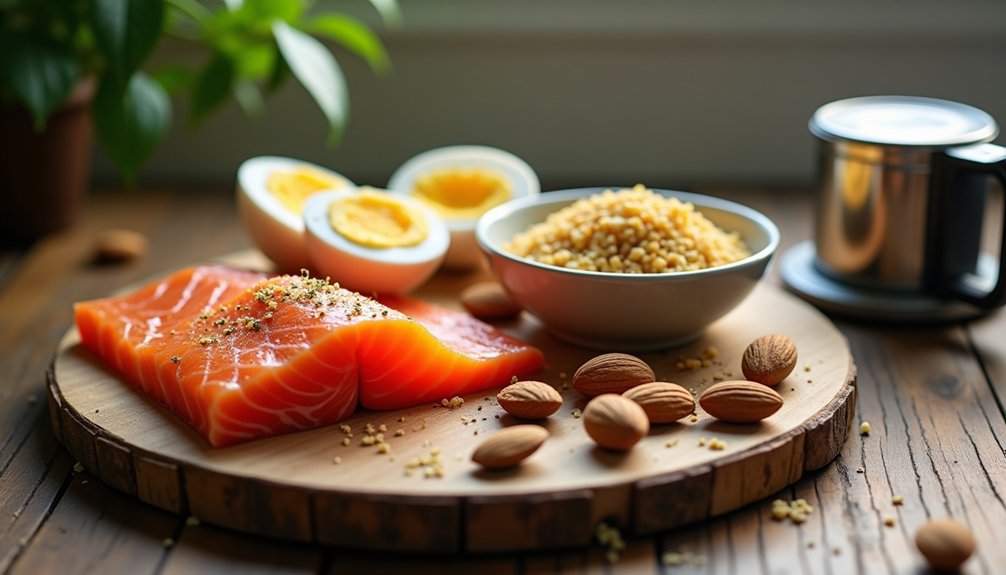
Dietary fat is often overlooked but plays a critical hormonal role in muscle development. Individuals should consume 0.5–1.5 grams of fat per kilogram of body weight daily, ensuring fats account for 20%–35% of total caloric intake. Prioritizing monounsaturated and polyunsaturated fats — found in olive oil, avocados, nuts, and fatty fish such as salmon and sardines — supports both cardiovascular health and muscle strength.
Meal timing and frequency further influence muscle-building outcomes. Eating every two to four hours stabilizes energy and nutrient availability throughout the day. Three balanced meals combined with two to four snacks help maintain consistent protein delivery. Consuming protein and carbohydrates within 30–60 minutes after exercise initiates recovery and maximizes nutrient-timing benefits.
Hydration rounds out a complete muscle-building nutrition plan. A minimum of three liters of water daily is recommended, with adjustments based on activity level and sweat output. Adequate hydration supports nutrient transport, muscle function, and overall recovery efficiency. Incorporating foods such as cottage cheese into daily meals is particularly advantageous, as a single cup delivers 28 grams of protein along with high levels of leucine, an amino acid directly linked to stimulating muscle protein synthesis.
Taken together, these nutritional strategies — when applied consistently alongside structured training — create the physiological conditions necessary for meaningful and sustained muscle growth throughout 2026 and beyond.