


Muscle recovery is an essential yet often overlooked component of an effective bodybuilding program. Without structured recovery, training adaptations stall, performance declines, and injury risk increases. Athletes who treat recovery as seriously as training itself consistently achieve better results over time.
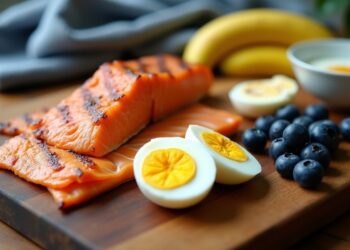
Protein intake remains a foundational element of muscle repair. The International Society of Sports Nutrition recommends consuming between 1.4 and 2.0 grams of protein per kilogram of body weight daily, with 1.6 grams per kilogram identified as the ideal target for maximizing muscle growth. Immediately following intense training, athletes should consume 20 to 40 grams of high-quality protein from sources such as lean meat, fish, eggs, or tofu.
Consuming 1.6 grams of protein per kilogram of body weight daily remains the gold standard for maximizing muscle growth.
Pairing protein with carbohydrates post-workout further accelerates recovery by replenishing glycogen stores and restoring muscle performance capacity.

Hydration plays an equally critical role. Dehydration greatly impairs the body’s ability to recover, making fluid replacement a non-negotiable priority. Athletes should drink 1.5 liters of fluid for every kilogram of body weight lost during exercise, which equates to approximately three cups per pound lost.
Water serves as the best starting point, while sports drinks become useful after intense sessions to restore electrolyte reserves.
Sleep is arguably the most powerful recovery tool available. Adults require 7 to 9 hours of quality sleep per night for ideal muscle repair and overall bodily restoration. Maintaining a consistent sleep schedule, even on weekends, strengthens sleep hygiene.
Avoiding screens before bed, keeping the bedroom cool, dark, and quiet, and establishing a relaxing pre-sleep routine all contribute meaningfully to sleep quality.
Active recovery accelerates physiological repair without adding training stress. Performing 6 to 10 minutes of low-intensity movement immediately after a workout effectively lowers heart rate and promotes blood flow.
Activities such as walking, light cycling, swimming, gentle yoga, or relaxed bike rides are well-suited for recovery days. Structuring the weekly training schedule with a balance of medium-to-high-intensity sessions and dedicated low-intensity days helps prevent cumulative fatigue. High stress levels can further impede muscle recovery, making stress-reducing techniques such as meditation a valuable addition to any structured training program.
Stretching and foam rolling are practical tools for reducing muscle tension and improving flexibility. After a workout, athletes should dedicate 5 to 10 minutes to static stretching, holding each position for 15 to 30 seconds while muscles are still warm.
Foam rolling each major muscle group for 30 to 60 seconds releases tension and supports range of motion. Professional massage and physical therapy provide additional benefits by boosting blood flow and accelerating the rate of muscle repair.
Cold water immersion and contrast therapy, which alternates between heat applied for 3 to 5 minutes and cold exposure, are widely used thermal recovery strategies that reduce post-exercise soreness.
When applied consistently alongside sound nutrition, hydration, sleep, and movement-based recovery strategies, these techniques collectively support sustained bodybuilding performance and long-term athletic development.