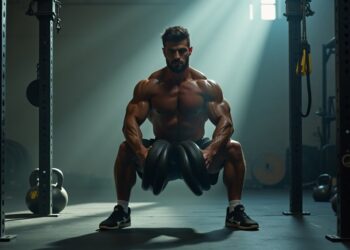


Bodybuilding in 2026 has shifted toward smarter, more sustainable systems that prioritize efficiency, recovery, and longevity over raw volume and aesthetic-only outcomes. Structured 30-minute sessions have replaced marathon workouts, with programming built around compound movements — squats, deadlifts, presses, and rows — that deliver high-density strength stimulus without excessive duration. Training frequency targets three to five days per week, and progressive overload through added weight, reps, or volume remains the primary driver of long-term adaptation.
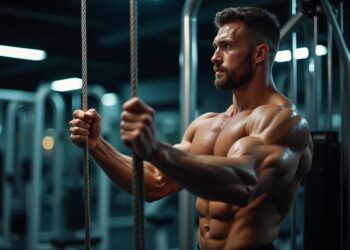
Hybrid conditioning has become a defining feature of modern bodybuilding routines. Circuits combining running, box jumps, burpees, and wall balls introduce metabolic demand without abandoning strength goals. Sled pushes and farmers carries function as finishers, targeting leg strength and core engagement simultaneously. Battle ropes develop upper-body power while limiting joint impact, and rower intervals of 20 to 30 seconds improve cardiovascular capacity and power output. These hybrid elements serve both athletic performance and physique-focused training objectives.
Hybrid conditioning blends metabolic demand with strength goals, making it the defining feature of modern bodybuilding routines.
Recovery is now treated as a core training component rather than an afterthought. Gyms in 2026 routinely offer sauna, cold plunge, and red light therapy as post-workout tools. Zone 2 cardio — incline walks, easy cycling, or light jogging — is programmed two to three days weekly to build aerobic base without taxing recovery. Active recovery days incorporate calisthenics skills and mobility work, while wearable biometrics tracking heart rate variability and sleep scores allow athletes to make data-informed decisions about training intensity and rest.

Community-based formats have reshaped how people access and adhere to bodybuilding programs. Small-group training offers social connection and lower costs compared to one-on-one coaching, and run clubs or creator-led groups have emerged as accessible alternatives for budget-conscious clients. Hybrid models that combine in-person sessions with digital at-home support have expanded reach and reduced dropout rates by embedding training into social routines rather than isolating it as a solitary habit.
Longevity and life-stage considerations now drive programming decisions in ways they previously did not. Perimenopause and menopause-specific programs are among the fastest-growing categories for women, while GLP-1 medication users require protein-forward nutrition strategies and muscle preservation protocols. Early-phase programming emphasizes movement foundations — hinge, squat, push, pull patterns — alongside daily walking, with slow tempo and controlled reps used to build capacity before progressive loading begins.
The change from physique-only metrics toward muscle quality, mobility, and healthspan reflects a broader redefinition of what bodybuilding success looks like. Lean muscle mass developed through consistent strength training continues to support calorie burning at rest, making it a critical factor in maintaining long-term results beyond initial training phases.
Micro-workouts have also gained traction as a practical solution for time-constrained individuals. Short conditioning circuits of eight to ten minutes on a bike, rower, or treadmill fit within core training days without sacrificing progress. Core-focused movements like plank-to-beast shifts and bird-dog variations deliver stability work in minimal time, maintaining adherence across economic and scheduling pressures.