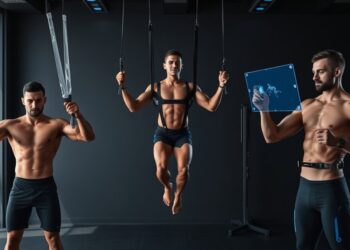



In 2025, bodybuilding techniques are heavily influenced by holistic health principles. Emphasis is placed on functionality, recovery, and mental fitness. Wearable technology tracks biometrics for tailored workouts, while functional training enhances overall performance. Recovery practices such as yoga and foam rolling are prioritized to combat burnout. Mindfulness and visualization techniques cultivate a balanced approach, addressing both body and mind. These progressive methods shape a thorough fitness experience, offering deeper insights into the evolving landscape of bodybuilding.
Holistic Approaches in Bodybuilding 2025
As the fitness landscape continues to evolve, bodybuilding techniques are adapting to meet the demands of modern athletes. In 2025, the focus is shifting towards a more holistic approach, combining traditional strength training with innovative methods that emphasize functionality, recovery, and mental well-being. Athletes are no longer just sculpting their physiques; they are cultivating an overall lifestyle that promotes freedom of movement, agility, and resilience.
One of the most significant trends in bodybuilding is the incorporation of advanced technology. Wearable devices that track biometrics such as heart rate variability and muscle activation are becoming commonplace. These tools allow athletes to tailor their workouts with precision, offering insights that lead to more effective training sessions. The data-driven approach empowers individuals to make informed decisions about their routines, ensuring they can push their limits while avoiding injury.

Moreover, the integration of functional training has gained traction. This method emphasizes exercises that mimic real-life movements, enhancing the body’s ability to perform daily tasks with ease. Athletes are embracing compound movements that engage multiple muscle groups, fostering a sense of liberation in their physical abilities. The focus is on strength that translates beyond the gym, promoting a lifestyle where fitness supports freedom rather than constraining it.
Recovery techniques have also evolved, becoming an essential component of modern bodybuilding. Athletes are increasingly recognizing the importance of rest, sleep, and nutrition in their training regimens. Active recovery methods, such as yoga and foam rolling, are being incorporated to enhance flexibility and reduce muscle soreness. This shift towards recovery allows bodybuilders to approach their training with a renewed sense of vigor, breaking the cycle of burnout and promoting longevity in their fitness journeys.
In addition, mental fitness is gaining prominence in bodybuilding strategies. Mindfulness practices, including meditation and visualization, are becoming important tools for athletes seeking to enhance focus and motivation. This mental aspect of training encourages bodybuilders to connect with their inner selves, fostering a sense of freedom that transcends physical limitations. By addressing both the mind and body, athletes can achieve a more balanced and fulfilling fitness experience.
As bodybuilding techniques continue to evolve in 2025, the emphasis on innovation, functionality, recovery, and mental well-being presents a new paradigm. This holistic approach not only prepares athletes for the challenges of competition but also empowers them to embrace a lifestyle of freedom and energy. The future of bodybuilding looks bright as individuals redefine their relationship with fitness, embodying strength in every sense of the word.