


If you’re over 40 and want to build muscle, you can absolutely do it with the right approach. This trainer-backed seven-move plan focuses on strength training to combat muscle loss and improve overall fitness. You’ll engage in effective exercises like squats, push-ups, and bent-over rows, all designed to boost your strength, metabolism, and balance. It’s time to reclaim your vitality. Stick around to discover all seven moves and take the next step towards a stronger you!
Understanding Muscle Loss After 40
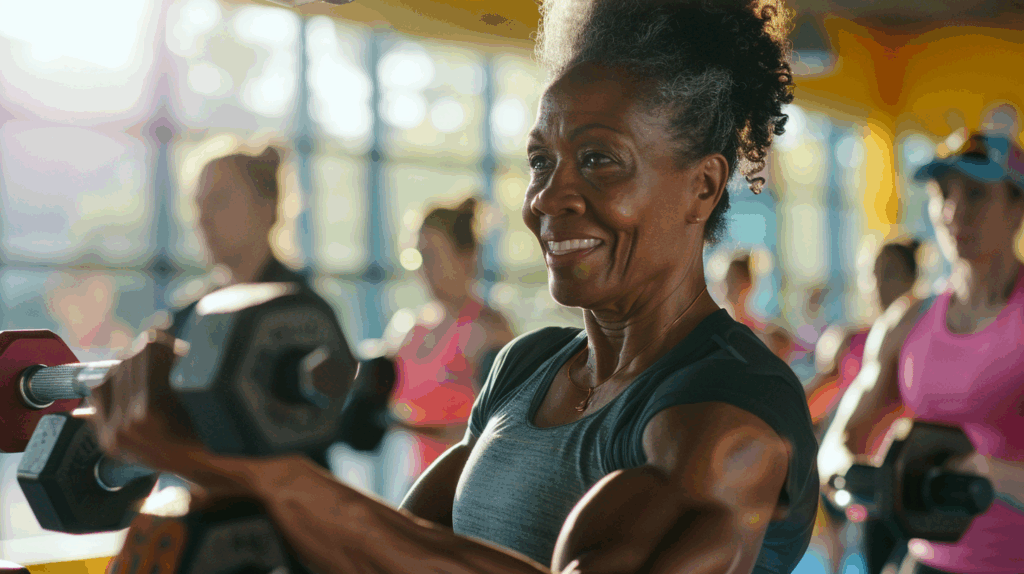
As you age, understanding muscle loss after 40 becomes crucial for maintaining strength and vitality.

After this milestone, your body naturally begins to lose muscle mass at an accelerated rate, a process known as sarcopenia. This decline can start as early as your 30s, but it becomes more pronounced after 40.
You might notice decreased strength, slower recovery times, and changes in body composition. Hormonal changes, such as reduced testosterone and growth hormone levels, can contribute to this loss.
Additionally, a sedentary lifestyle can exacerbate the issue. Staying informed about these changes helps you recognize the importance of proactive measures.
The Importance of Strength Training
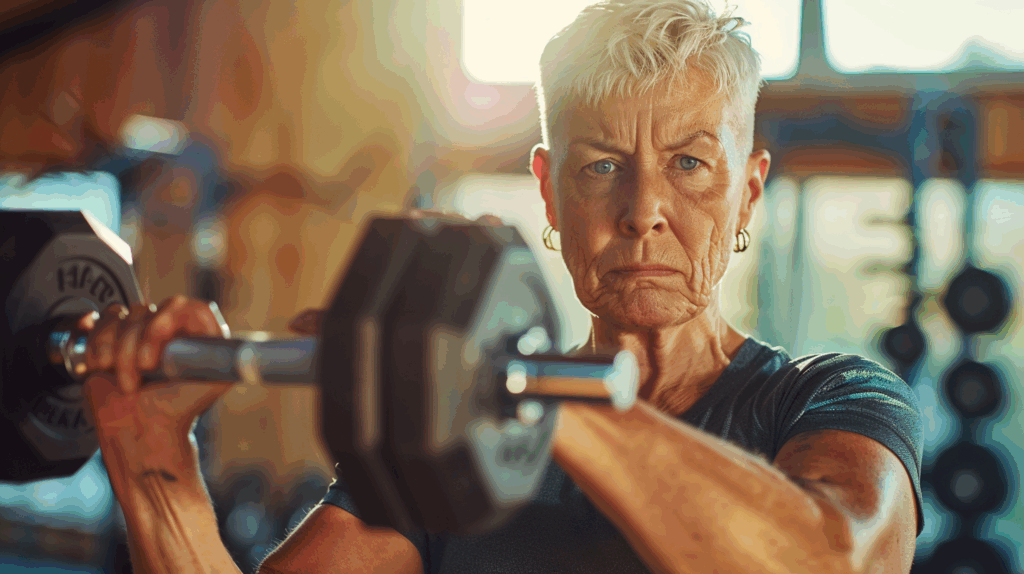
While you might think that strength training is just for the young or athletes, it’s actually vital for anyone over 40. As you age, your muscles naturally begin to weaken, making strength training essential for maintaining your physical health.
It helps combat muscle loss, improves bone density, and enhances joint stability. Regular strength workouts can boost your metabolism, making it easier to manage weight, and they also promote better balance, reducing the risk of falls.
Beyond physical benefits, strength training can improve your mood and mental well-being by releasing endorphins. Plus, accomplishing strength goals can boost your confidence.
Move 1: Squats for Lower Body Strength

Squats are a powerhouse move for building lower body strength, and they’re perfect for anyone over 40. Not only do they target your quadriceps, hamstrings, and glutes, but they also engage your core, improving overall stability.
Start by standing with your feet shoulder-width apart. As you lower your body, push your hips back as if sitting in a chair, keeping your chest up and knees aligned with your toes. Aim for at least 10 to 15 repetitions, gradually increasing as you gain strength.
You can also add variations like goblet squats or sumo squats to keep things interesting. Remember, proper form is key to prevent injury and maximize benefits. Incorporate squats into your routine, and watch your strength soar!
Move 2: Push-Ups for Upper Body Power

If you want to build upper body strength, push-ups are an essential move to include in your routine. This classic exercise engages your chest, shoulders, triceps, and core, delivering a powerful workout without any equipment.
Start in a plank position, hands shoulder-width apart, and keep your body straight from head to heels. Lower yourself until your chest nearly touches the floor, then push back up. If traditional push-ups are challenging, modify them by performing them on your knees or against a wall.
Aim for three sets of 8-15 reps, adjusting the number as your strength improves. Incorporating push-ups into your regimen won’t only enhance your upper body power but also boost your overall muscle tone and stability.
Move 3: Bent-Over Rows for Back Muscles

Incorporating bent-over rows into your workout targets your back muscles effectively, promoting strength and stability. This move builds your upper back, lats, and traps, enhancing your overall posture.
To perform bent-over rows, stand with your feet shoulder-width apart, knees slightly bent. Hinge at your hips, keeping your back flat, and hold a dumbbell in each hand. Pull the weights towards your lower rib cage, squeezing your shoulder blades together. Lower the weights back down with control.
Aim for three sets of 10-15 reps, focusing on form over weight. As you progress, challenge yourself by increasing the weights. This exercise not only sculpts your back but also improves your pulling strength for daily activities.
Move 4: Planks for Core Stability

While many exercises focus on building muscle, planks are essential for enhancing core stability, which is crucial for overall strength and injury prevention.
By engaging your entire core, you’re not just working your abs; you’re also activating your back, shoulders, and glutes.
Start by lying face down, propping yourself on your forearms and toes, keeping your body in a straight line. Hold this position for 20-30 seconds, gradually increasing the duration as you get stronger.
To increase the challenge, try side planks or planks with leg lifts. Incorporating planks into your routine will help you maintain balance and support better performance in other exercises.
Move 5: Deadlifts for Total Body Engagement

Building a strong core with exercises like planks sets the stage for more dynamic movements, and deadlifts are a prime example. This powerful exercise engages multiple muscle groups, including your glutes, hamstrings, and back, making it essential for total body strength.
Start with your feet hip-width apart, grip the barbell or dumbbells, and maintain a neutral spine. As you lift, focus on driving through your heels and squeezing your glutes at the top.
Deadlifts not only improve your strength but also enhance your posture and stability, which is crucial as you age. Incorporate this move into your routine, and you’ll notice increased muscle definition and overall functionality in your daily activities.
Don’t underestimate the impact of deadlifts!
Conclusion
As you embrace this 7-move plan, you’re investing in your strength and vitality. Remember, consistency is key—commit to your workouts, and celebrate your progress along the way. By incorporating these exercises, you’ll build muscle, enhance your overall fitness, and boost your confidence. Don’t let age hold you back; you’ve got the power to transform your body and health. So, lace up those shoes and get moving—you’re on your way to a stronger, more resilient you!