


Nephrologists caution that high-protein diets place significant strain on the kidneys, accelerating wear and potentially worsening function in patients with existing kidney disease. Research supports these concerns across multiple models. Human data confirms that high-protein diets cause hyperfiltration, while rat models demonstrate dose-dependent proinflammatory gene expression at protein energy levels of 20%, 30%, and 45%.
Pig models show even more alarming results, with 55% greater renal fibrosis and 30% glomerulosclerosis at 35% protein energy. High red meat consumption specifically correlates with a 40% increased end-stage kidney disease hazard ratio in the highest quartile of intake.
For the general population, the estimated average protein requirement sits at 0.6 g per kg of ideal body weight daily, with the recommended daily allowance set at 0.83 g/kg to cover 97–98% of the population. For individuals with chronic kidney disease, recommended limits vary by stage. Those in CKD stages 1–2, with GFR at or above 60, should consume no more than 0.8 g/kg of ideal body weight, which translates to roughly 54 g daily for a 68 kg person.

Patients in CKD stages 3–5, with GFR at or below 59, benefit from further restriction to 0.55–0.60 g/kg, approximately 40–54 g daily for the same body weight. The Mayo Clinic confirms that high-protein diets worsen kidney function in those already diagnosed with kidney disease.
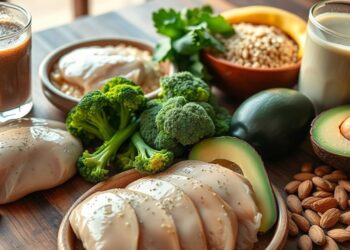
Nephrologists recommend prioritizing plant-based proteins such as beans, lentils, tofu, and nuts over animal sources, particularly for patients without dialysis. When animal proteins are consumed, unprocessed options like fresh fish, poultry, and eggs are preferable due to lower potassium and phosphorus content.
Portion control remains essential, with guidance limiting beef, poultry, fish, and legumes to twice daily and dairy to no more than half a pint of milk plus one additional dairy serving per day.
For patients presenting with proteinuria or azotemia, reducing protein intake becomes critical. Nephrologists specifically advise against whey and soy protein powder supplements in these cases. Protein metabolism produces waste products that the kidneys must continuously filter, making excess protein intake particularly burdensome for already compromised renal function. Consulting a physician or registered dietitian guarantees protein intake aligns appropriately with body size, activity level, and disease status.