

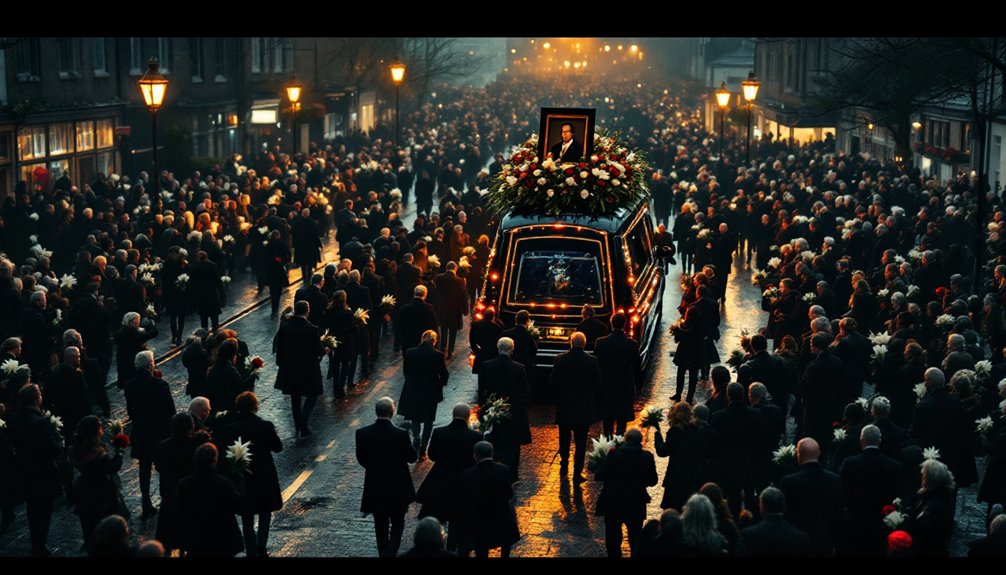
When hundreds of people gathered at the East and Old Church in Forfar on 20 November, they came to remember Alix Small, the local bodybuilder who died at 26 earlier that month. The turnout reflected broad community grief and strong local support for a young athlete whose achievements reached well beyond Angus.
Small was found dead at home in Forfar on the morning of Saturday, 8 November. Mother Karen Small confirmed the death to a bodybuilding news outlet, prompting tributes from family, friends and fellow athletes. Fitness and bodybuilding communities shared condolences across social media and sports coverage, and many messages dwelt on Small’s personality as much as on sporting success.
Those tributes described Small as kind, caring and funny, and the phrase “a rare soul” recurred throughout. The gathering in Forfar echoed that description. The celebration of life drew a large crowd, and donations at the service were directed to the charity Beat Eating Disorders. The event was covered with permission from Small’s parents.

Small grew up in Forfar and attended Wellbrae and Whitehills primary schools before moving to Forfar Academy. Early involvement in gymnastics led to training as a coach, and Small later returned to coach at Phoenix Gymnastic Club in the town. Former coach Shona Forbes publicly recalled Small’s ambition and work ethic, qualities that shaped a career in competitive fitness.
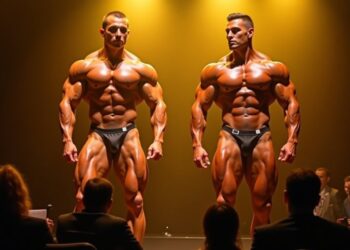
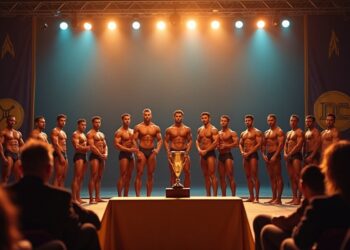
That career was short but notable. Small won two IFBB Pro League Fitness titles and competed at the Olympia, one of bodybuilding’s highest-profile stages. Coverage often highlighted the path that led there: Small had spoken publicly about overcoming anorexia and described bodybuilding as a life-changing pursuit. The story was frequently framed as one of resilience and transformation.
The choice of Beat Eating Disorders as the beneficiary linked the day of remembrance to an issue central to Small’s public story. Small had said that anorexia developed at age 15 and described it as “the most deadly mental illness.” Attendees were not only mourning a local athlete but also acknowledging a young person who had spoken openly about illness and recovery, and who had turned that experience into achievement.
The remembrance drew attention well beyond Forfar. Reported attendance suggested substantial public recognition of Small’s life and impact, both in the town where Small was raised and within the wider fitness world. For many present, the scale of the gathering reflected how closely Small remained connected to the community despite competing on an international stage.
Small’s death at 26 left a community absorbing sudden loss. In Forfar, the memory that endures is shaped by both achievement and character: a gymnast turned coach, a competitor who reached the Olympia, and a person remembered for kindness, ambition and resilience. The crowd that filled the East and Old Church gathered for that reason, to honour a “rare soul” whose influence extended from local gymnastics classes to professional stages, and whose warmth friends and athletes noted.