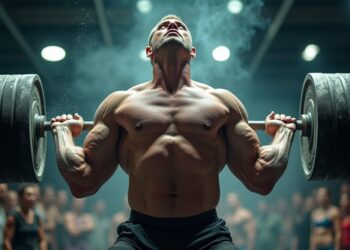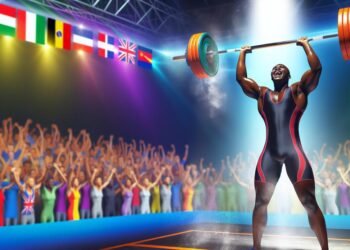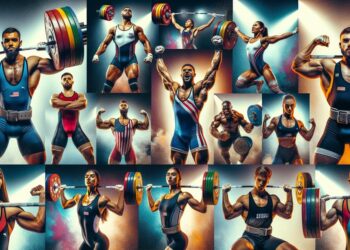


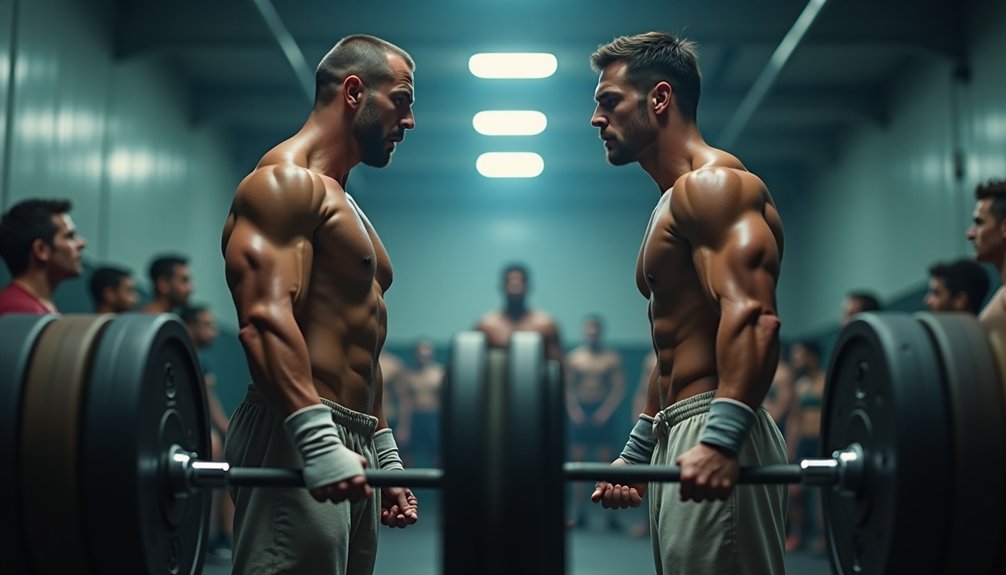
The raw versus equipped debate has resurfaced within powerlifting circles, reigniting longstanding disagreements over what constitutes legitimate strength. Controversial results from a recent meet have pushed competitors, coaches, and spectators back into familiar opposing camps, each defending their preferred format with renewed intensity.
At the center of the argument lies a fundamental difference in equipment. Raw powerlifting permits minimal gear — typically a belt, wrist wraps, and knee sleeves — while placing emphasis on technique, mobility, and natural strength. Equipped lifting, by contrast, involves specialized squat suits, bench shirts, and deadlift suits engineered from high-tensile fabrics that store elastic energy and provide mechanical assistance at critical points in each lift. Since competition officially divided into raw and equipped categories in 2013, tensions between the two camps have never fully dissolved.
Raw lifting demands technique and natural strength. Equipped lifting harnesses engineered fabrics that store energy and mechanically assist every rep.
Performance records continue to fuel the dispute. Equipped lifters consistently post heavier totals, a reality critics of the format attribute to gear rather than genuine strength. Supporters counter that mastering equipped lifting demands extensive technical training to optimize how the suits and shirts function under load — no lifter simply puts on a multi-ply suit and breaks records. The gear requires its own discipline, and dismissing it as artificial advantage oversimplifies the mechanics involved.

Raw advocates maintain their format offers a purer, more transparent measurement of strength. Without suits storing energy or shirts assisting joint extension, raw numbers reflect what the athlete’s body actually produces. This straightforwardness makes record comparisons cleaner and more meaningful across different lifters and weight classes. Raw lifting is also more accessible and cost-effective, removing financial barriers that expensive equipped gear creates for newer competitors.
The safety argument, however, cuts against raw’s perceived moral high ground. Equipped lifting provides meaningful joint and muscle support, reducing injury risk during maximal efforts. Proponents argue that squat suits and bench shirts function similarly to protective equipment in other sports — not as performance shortcuts but as safeguards that extend athletic longevity. Raw lifters, operating without that structural support, may face greater cumulative strain over a competitive career.
The cultural divide between the two communities adds another layer of friction. Raw powerlifting has cultivated a close-knit identity around simplicity and authenticity, while equipped lifting attracts lifters drawn to the strategic complexity of gear management. Equipped powerlifting also introduces complexity and cost that can serve as a significant barrier, particularly for athletes early in their competitive journey.
Even within raw powerlifting, subdivisions — classic raw without wraps versus raw with wraps — generate internal disagreements about where lines should be drawn, illustrating that no format is entirely free of debate.
What the renewed controversy makes clear is that neither side holds an uncomplicated position. Both formats demand skill, commitment, and physical preparation. The disagreement ultimately reflects broader questions about how strength sports define competition integrity, athletic achievement, and what records should mean when comparing human performance.