


Bodybuilders invest enormous effort in training and nutrition, yet one critical factor frequently goes overlooked: the health of the gut. A balanced gut microbiome guarantees efficient energy conversion, protein utilization, and hormone signaling. It enhances absorption of amino acids, B vitamins, magnesium, and zinc while supporting protein metabolism, reducing waste and bloat. Certain bacteria also influence testosterone production and recycling, and the gut produces short-chain fatty acids that support energy metabolism and lean muscle preservation.
A balanced gut microbiome is the overlooked foundation of every bodybuilder’s performance, recovery, and hormonal edge.
Training intensity directly affects gut function. High training loads alter gut permeability, triggering leaky gut and immune activation. Aggressive pre-contest caloric restriction reduces microbial diversity, while excess supplementation with protein powders, BCAAs, or artificial sweeteners disrupts bacterial balance. Resistance training in moderation, however, increases gut diversity when paired with fiber-rich diets, reinforcing the value of a measured, structured approach.
Narrow contest diets undermine digestive function despite macro compliance. As food variety shrinks during prep, bloating, irregular bowels, and food sensitivities emerge. Maintaining dietary diversity during the final four to eight weeks of prep mitigates these issues. Building a resilient gut before prep begins provides a buffer against microbiome compromise, and year-round coaching that integrates gut health with macro targets supports this goal.

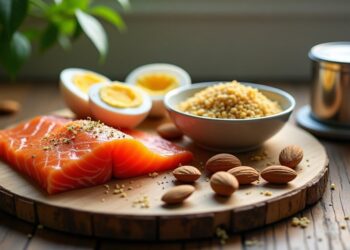
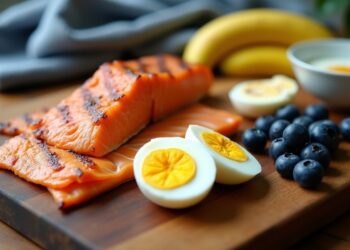
Nutrient absorption depends on peak gut function. Pre-workout carbohydrates consumed two to three hours before training sustain energy without overloading the gut. Post-workout protein and carbohydrates within thirty to sixty minutes support muscle repair and glycogen replenishment. Anti-inflammatory foods rich in omega-3s reduce post-exercise gut inflammation.
A high-fiber diet exceeding thirty grams daily builds gut reserve, lubricates peristalsis, and prevents constipation. Fiber intake can be temporarily reduced below ten grams during weight cuts to assist rapid loss. Fermented foods such as yogurt, kefir, sauerkraut, and kimchi deliver probiotics that compete with harmful bacteria and produce beneficial compounds. Postbiotics like butyrate maintain the gut barrier, improve insulin sensitivity, and regulate appetite hormones.
Regular physical activity, including one hundred fifty minutes of moderate weekly exercise, stimulates intestinal contractions, reduces bloating, and supports consistent digestive function throughout competitive cycles. Consuming excess red meat without adequate fiber can feed pro-inflammatory bacteria, undermining the microbial balance that bodybuilders depend on for recovery and performance.