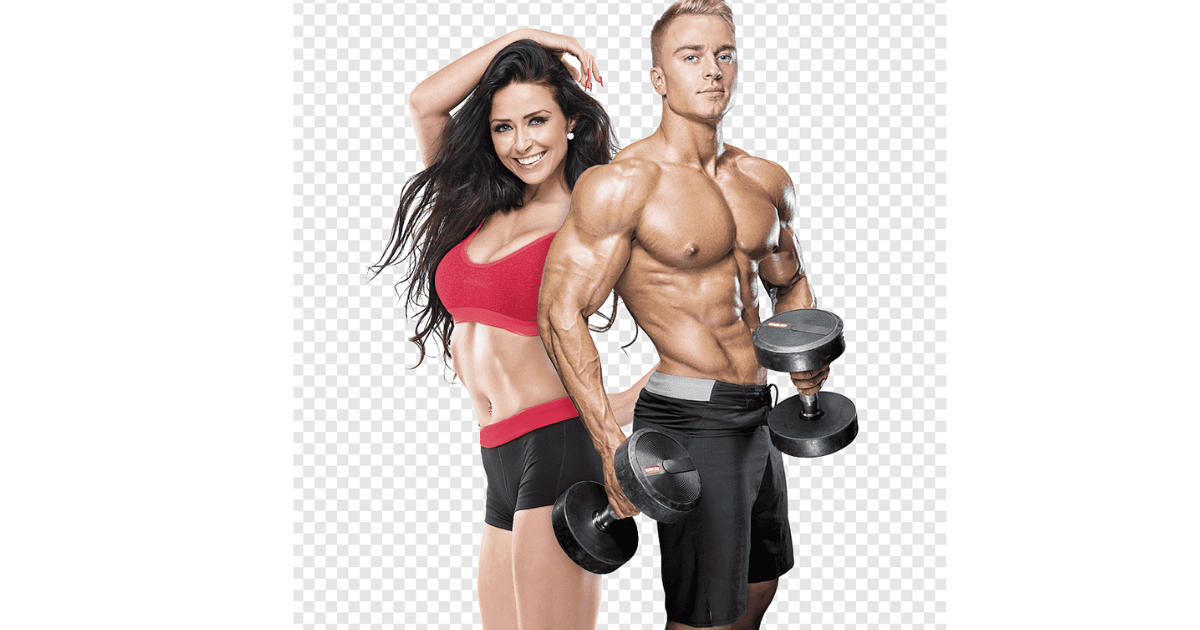


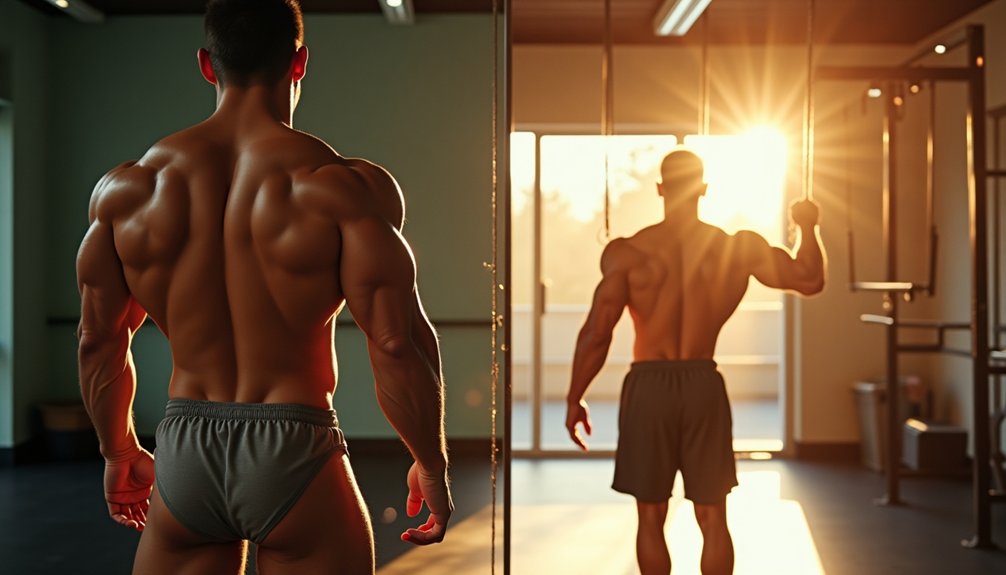
Aesthetic fitness has surged in mainstream popularity, driven largely by social media culture and evolving standards of physical appearance. Unlike performance-based training, aesthetic fitness targets body composition through muscle hypertrophy and fat reduction, prioritizing visible symmetry and definition over movement efficiency. Clients increasingly request targeted development — wider shoulders, glute hypertrophy, leaner waistlines — with quantifiable outcomes such as gaining one to two pounds of lean mass monthly or reducing body fat by one percent every three to four weeks.
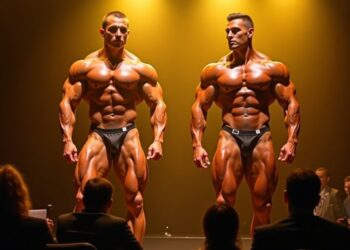
Classic bodybuilding, by contrast, employs rigid muscle-group splits designed to maximize muscular size and development. While aesthetic training shares hypertrophy as a core objective, it deliberately avoids the extreme isolation work that bodybuilding depends on, integrating functional elements to support joint health and long-term resilience.
Bodybuilding prioritizes mass accumulation; aesthetic training seeks a balanced, lean, proportional physique — impressive without crossing into what practitioners describe as excessive or “freaky” size.
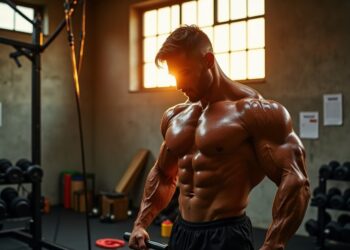
The programming distinctions are meaningful. Aesthetic training uses higher volume, progressive overload, and periodization across compound and isolation lifts, supplemented by HIIT cardio for fat loss and steady-state cardio for calorie management.
Traditional bodybuilding splits remain present but are modified to prevent overdevelopment of areas like the traps, thighs, or midsection, which can compromise the visual V-taper that aesthetic training specifically targets — wide shoulders and lats, a narrow waist, and lean muscularity throughout.
The appeal is partly psychological. Visible, measurable progress in definition and symmetry improves self-confidence and sustains long-term adherence, factors that explain why vanity remains a primary motivator for most gym entrants.
Social media amplifies this dynamic, making the “fit” look — rather than the competitive stage physique — the dominant cultural aspiration.
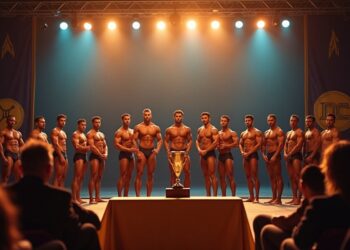
Classic bodybuilding has not disappeared, but its appeal has narrowed. For non-competitive clients, the cost-benefit ratio of pure bodybuilding programming is low.
Aesthetic fitness fills that gap by delivering visible results while integrating functional training elements that reduce injury risk. Balanced muscle development through this combined approach also supports injury prevention by addressing muscular imbalances that pure aesthetic isolation work can create over time. The shift reflects changing client priorities rather than a wholesale rejection of bodybuilding principles.