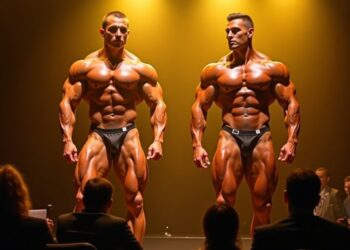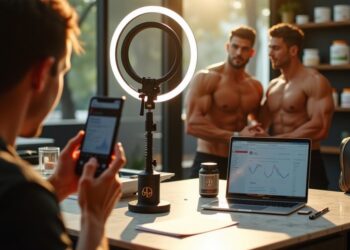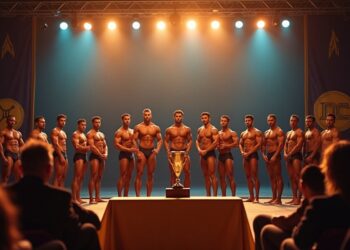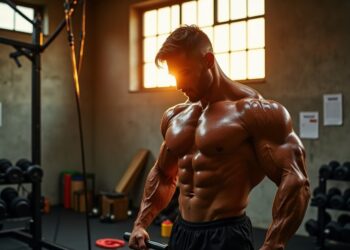


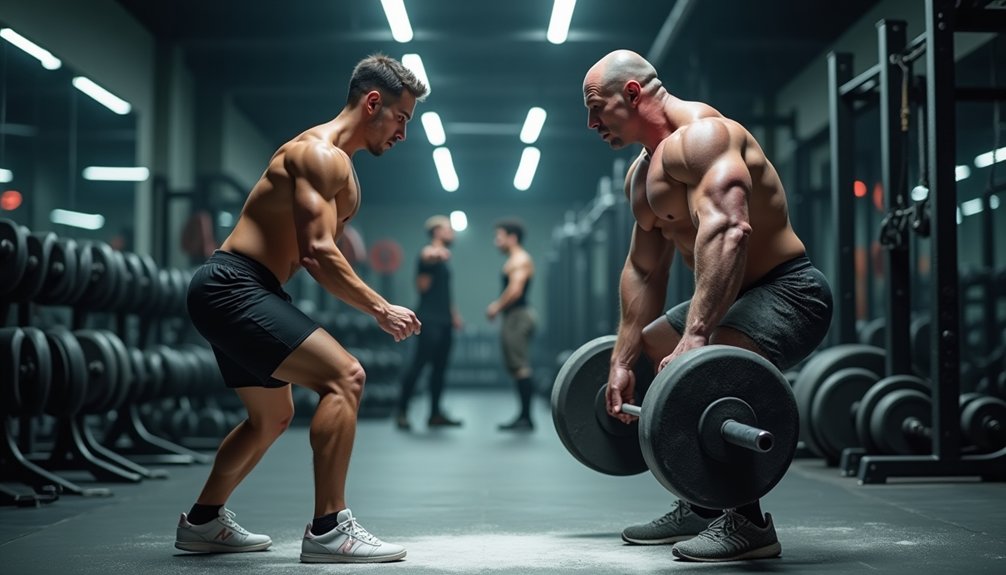
The fitness world in 2026 finds itself divided between two distinct forces: social media influencers championing science-based, efficiency-first training and professional bodybuilders whose methods are forged through decades of high-volume, passion-driven work in the gym. This divide has grown sharper as online fitness culture increasingly promotes minimalist, enhancement-centered approaches that diverge from the practices observed among elite natural lifters over the past two decades.
Influencer training philosophy centers on stimulus-to-fatigue ratios, exercise redundancy analysis, and precise movement mechanics. The emphasis is on doing less, recovering more, and avoiding what influencers frame as unnecessary volume. While this framework appeals to efficiency-minded audiences, critics argue it misguides those pursuing serious muscle development. Most successful lifters, when observed directly, train with considerably more volume than influencer recommendations suggest is ideal.
Influencer protocols optimize for efficiency — but serious muscle development has rarely rewarded those who did less.
Pro bodybuilders operate differently. Their sessions are characterized by greater exercise diversity, higher intensity, and a brutality of effort rarely captured in content designed for algorithmic performance. These athletes adapt their routines based on direct gym feedback rather than rigid theoretical frameworks. Passion and aggression in training distinguish their approach from the measured, calculated sessions favored by influencers. The divergence is not marginal — it reflects fundamentally different priorities.

The tension between these camps has become a defining conversation in 2026 fitness culture. Podcasts exploring gym culture have addressed it directly, including discussions released in March 2026 that examine recurring industry patterns and whether influencers can realistically replace bodybuilders in shaping the sport. Figures like Victor Martinez have appeared in these dialogues, lending credibility to the pro perspective.
YouTube shorts have amplified the debate, drawing wider audiences into questions about authenticity and effectiveness. Despite influencer dominance in online discourse, professional bodybuilders retain a practical edge in actual muscle-building outcomes. The most muscular individuals observed in competitive settings rarely follow influencer-recommended protocols.
As hybrid influences continue shaping the fitness landscape, the gap between what performs well online and what produces elite physiques remains a central tension the industry has yet to resolve.