

To promote muscle growth, prioritize protein intake with 1.6 to 2.2 grams per kilogram of body weight, using sources like lean meats and legumes. Incorporate healthy fats from avocados and nuts for energy and inflammation reduction. Staying hydrated is essential for muscle recovery and performance. Timing meals, especially post-workout protein-rich snacks, maximizes muscle repair. Finally, focus on whole foods to provide necessary nutrients and stabilize energy levels. More insights on optimizing nutrition await exploration.

Prioritize Protein Intake
When aiming for muscle growth, individuals must prioritize protein intake, as it serves as the building block for muscle repair and development. Adequate protein consumption supports the synthesis of muscle fibers, enhancing recovery after workouts.
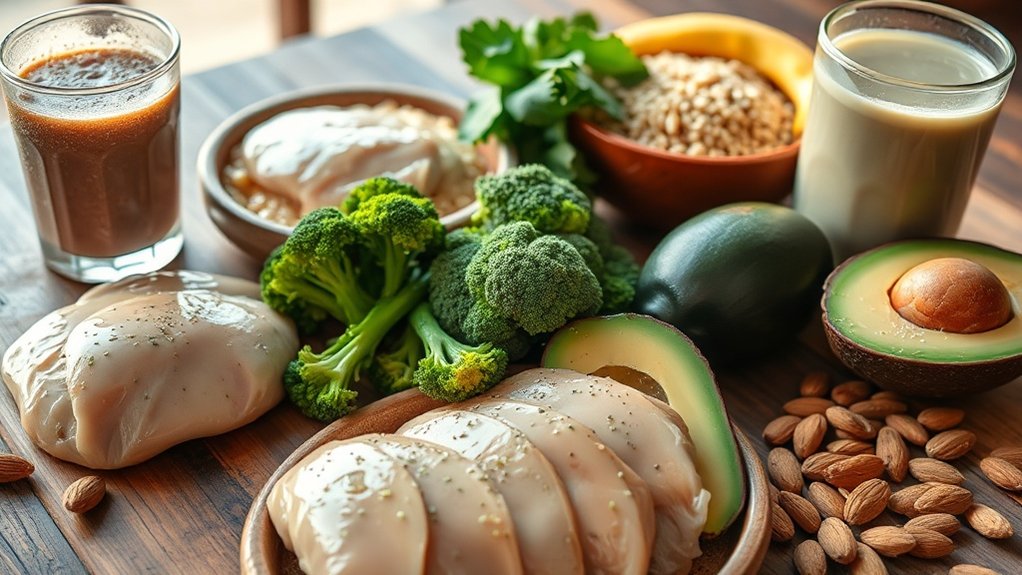
Experts suggest that individuals aiming to build muscle should consume approximately 1.6 to 2.2 grams of protein per kilogram of body weight daily. Sources of high-quality protein include lean meats, fish, dairy, legumes, and plant-based options like tofu and quinoa.

To build muscle effectively, aim for 1.6 to 2.2 grams of protein per kilogram of body weight daily from quality sources.
Timing also plays a vital role; consuming protein-rich foods post-workout can maximize muscle recovery. By focusing on protein intake, individuals can create an ideal environment for muscle growth, ultimately leading to improved strength and physical performance.
Proper planning and meal preparation can facilitate meeting these protein requirements effectively.
Incorporate Healthy Fats
Incorporating healthy fats into a diet is essential for supporting muscle growth and overall health, as they play a significant role in hormone production and nutrient absorption.
Healthy fats, such as those found in avocados, nuts, seeds, and olive oil, provide the necessary energy for intense workouts and recovery. They also aid in the absorption of fat-soluble vitamins, which are fundamental for overall well-being.
Additionally, omega-3 fatty acids, commonly found in fish and flaxseeds, can help reduce inflammation and promote muscle repair. A balanced intake of healthy fats supports cardiovascular health, allowing for improved endurance during exercise.
Stay Hydrated
Staying hydrated is essential for muscle growth and overall performance, as adequate fluid intake supports various physiological functions.
Water plays a critical role in nutrient transportation, muscle recovery, and regulating body temperature during workouts. Dehydration can lead to decreased strength, endurance, and impair recovery, which can hinder muscle-building efforts.
Athletes should aim to consume sufficient fluids before, during, and after exercise to maintain peak performance levels. Additionally, monitoring urine color can serve as a practical indicator of hydration status.
Clear or light yellow urine typically suggests proper hydration, while darker shades may indicate a need for increased fluid intake.
Timing Your Meals
How can the timing of meals influence muscle growth? The strategic scheduling of meals can greatly impact muscle recovery and development.
Consuming protein-rich meals shortly after workouts helps in muscle repair, as this is when the body is primed to absorb nutrients for recovery. In addition, spreading protein intake evenly throughout the day, ideally every three to four hours, can enhance muscle protein synthesis.
Consuming protein-rich meals post-workout optimizes muscle repair and enhances protein synthesis throughout the day.
Pre-workout nutrition is also essential; a balanced meal or snack that includes carbohydrates and protein about 30 to 60 minutes before exercise can provide the necessary energy and prevent muscle breakdown.
Ultimately, understanding and optimizing meal timing allows individuals to maximize their muscle-building potential and support overall fitness goals.
Focus on Whole Foods
A strong emphasis on whole foods can greatly enhance muscle growth and overall health. Whole foods, such as fruits, vegetables, whole grains, lean proteins, and healthy fats, provide essential nutrients that support muscle repair and development.
Unlike processed foods, which often contain added sugars and unhealthy fats, whole foods deliver vitamins, minerals, and antioxidants vital for peak performance. Nutrient-dense options like quinoa, spinach, chicken, and avocados not only fuel workouts but also aid in recovery.
Additionally, whole foods help regulate appetite and stabilize energy levels, promoting better exercise adherence. By prioritizing whole foods, individuals can create a solid nutritional foundation that supports their muscle-building goals while fostering long-term well-being.
This approach encourages a balanced diet, ensuring adequate intake of critical nutrients.
Conclusion
To conclude, achieving muscle growth requires a balanced approach to nutrition. By prioritizing protein intake, incorporating healthy fats, staying hydrated, timing meals effectively, and focusing on whole foods, individuals can optimize their diet for better results. Each of these components plays an essential role in supporting muscle repair and growth, ultimately contributing to overall fitness goals. By adhering to these foundational principles, one can create a sustainable and effective nutritional strategy for muscle development.