

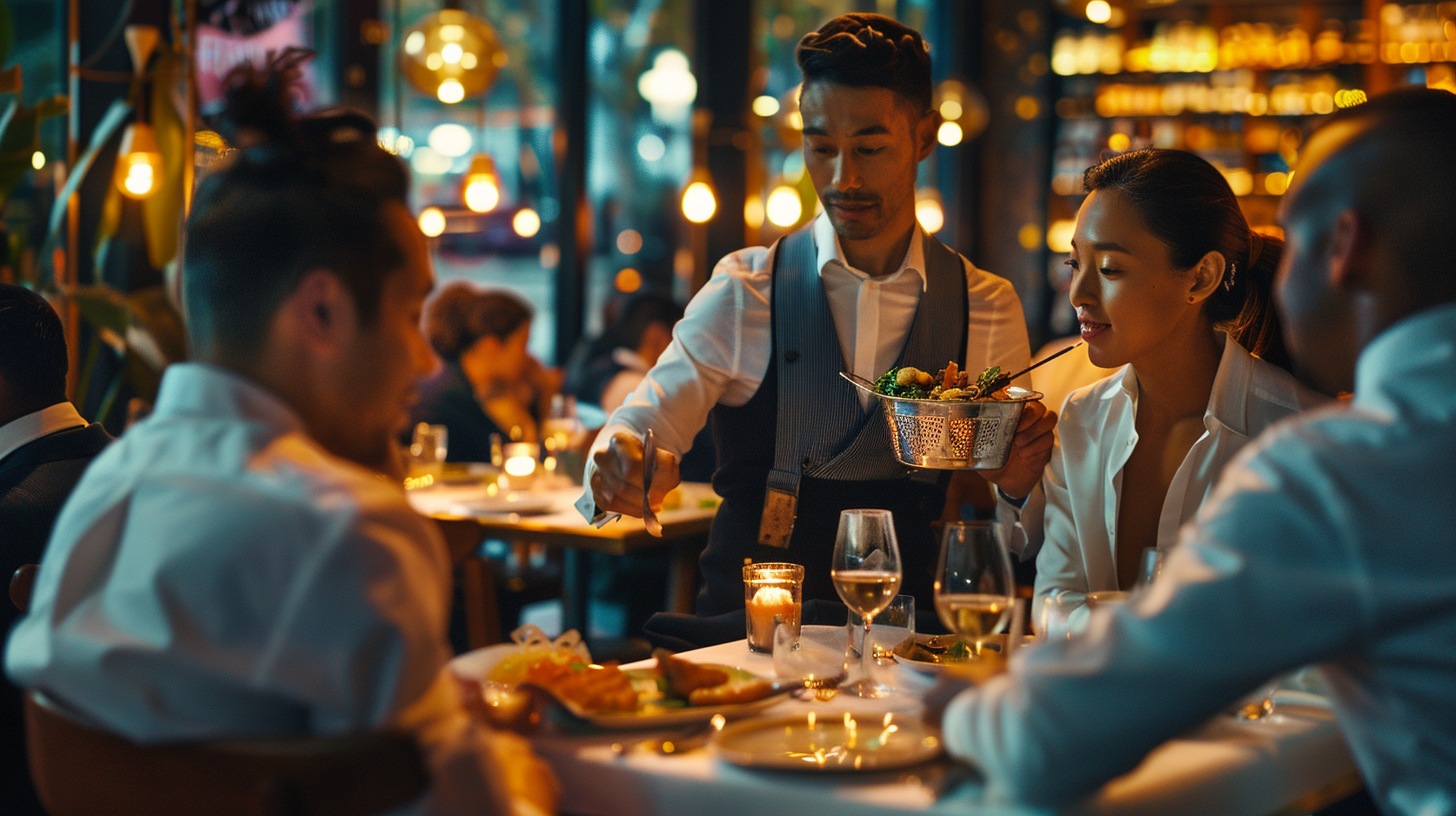
When eating out, you often make mistakes like skipping the menu review, neglecting etiquette, and ignoring portion sizes. You might also overlook daily specials and fail to ask about ingredients and preparation methods. Mismanaging timing for reservations can lead to a stressful experience, while not communicating dietary restrictions can affect your health. Finally, don’t forget to tip appropriately for good service. Learn how to make the most of your dining experience and avoid these pitfalls.
Key Takeaways
- Failing to review the menu thoroughly can lead to decision fatigue; consider exploring online options beforehand to avoid rushed choices.
- Overordering often results in food waste; opt for sharing dishes or starting with smaller portions to gauge hunger levels.
- Neglecting to inquire about allergens and cooking methods may pose health risks; always ask about ingredients to align meals with dietary needs.
- Ignoring proper dining etiquette, such as waiting for all guests to be served, can diminish the dining experience; practice good manners throughout the meal.
- Mismanaging reservations, especially during peak hours, can lead to long wait times; book early to ensure a smoother dining experience.
Ordering Without Reviewing the Menu Thoroughly
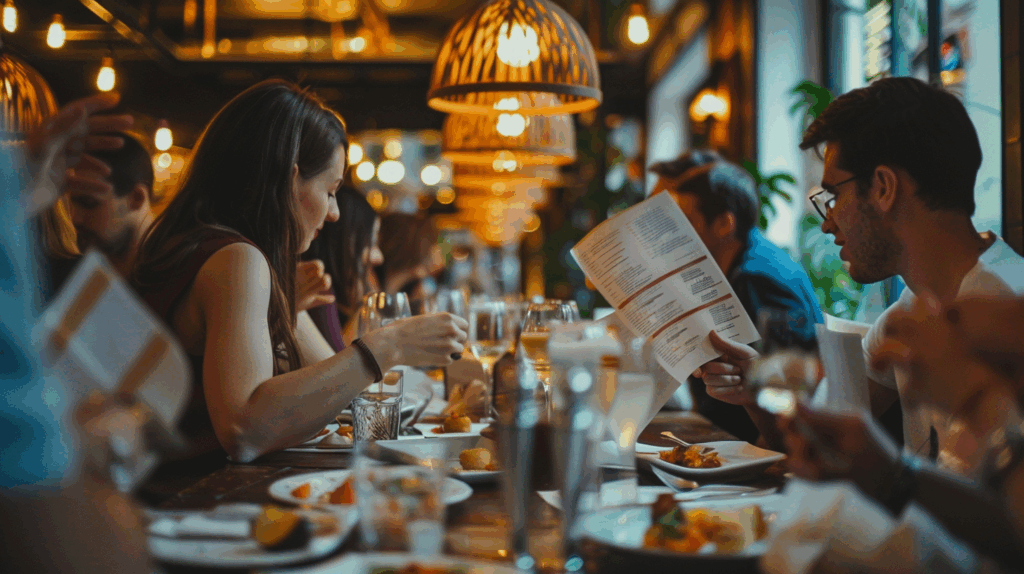
When you don’t take the time to review the menu thoroughly before ordering, you risk making poor choices that could leave you unsatisfied. A staggering 79% of Americans struggle to decide what to order, primarily due to an overwhelming number of options. Additionally, 79% of Americans take around 9 minutes to decide on an order once seated, which can lead to rushed selections that don’t meet your expectations. If you skip a menu review, you might experience decision fatigue, resulting in rushed selections that don’t meet your expectations. In fact, diners who review menus online often make choices before arriving, avoiding the indecision that drags out the ordering process.

Failing to explore specials or promotions means missing out on better options. So, take a moment to review the menu beforehand; it’ll enhance your dining experience and help you make choices you’ll genuinely enjoy.
Neglecting Proper Etiquette and Social Norms
After you’ve made your menu selections, it’s easy to overlook proper etiquette and social norms while dining out.
Remember, good table manners matter. Wait until everyone is served before digging in; it shows respect for your fellow diners. Keep your utensils in their proper positions and avoid inappropriate behaviors, like chewing with your mouth open or leaning over your plate. Maintaining good posture during the meal also reflects your engagement and respect for those dining with you.
Use your napkin discreetly and keep your hands clean to maintain a polished appearance. Don’t forget to engage in polite conversation, using phrases like “please” and “thank you.”
Following these dining etiquette tips enhances not just your experience but also that of those around you, ensuring a pleasant atmosphere for everyone involved.
Making Poor Health and Nutrition Choices
Dining out can often lead to poor health and nutrition choices, especially if you’re not mindful of what you’re ordering. Many restaurant meals are high in caloric intake, saturated fats, and sodium, which can greatly exceed daily recommendations. For instance, dining out can add around 200 calories to your day while contributing to an unbalanced nutrient intake. Fast food, in particular, often lacks essential vitamins, fiber, and whole foods, increasing the risk of nutrient deficiencies. This imbalance promotes overeating and can lead to weight gain, which is linked to chronic health issues. To maintain better health, opt for meals that prioritize nutrient balance, like options rich in vegetables, whole grains, and lean proteins. In fact, restaurant meals accounted for 21% of total calorie intake for Americans, highlighting the need to make conscious choices to protect your well-being.
Mismanaging Timing and Reservations
Making mindful health choices is just one aspect of enjoying a restaurant experience; timing and reservations play a significant role, too.
To enhance your dining experience, consider your reservation timing. Booking during peak hours often leads to rushed meals and longer wait times. Opt for earlier reservations to enjoy better service and less stress. Additionally, utilizing automated reservation systems can reduce the risk of lost or incorrect reservations, ensuring that your table is ready when you arrive.
Also, be aware that most diners won’t wait more than 30 minutes for a table, so plan accordingly. Communicate your expectations regarding wait times and be patient if delays occur.
Finally, utilize reservation tools to streamline your experience and avoid misunderstandings. By managing your timing wisely, you can elevate your dining out experience while ensuring a more enjoyable meal.
Failing to Communicate Dietary Restrictions and Preferences
When you don’t clearly communicate your dietary restrictions and preferences, you risk jeopardizing not just your meal but also your health. Many assume servers understand their needs, but without explicit communication, mistakes can happen. Food allergic reactions lead to around 125,000 emergency room visits annually, often stemming from insufficient allergen awareness. Only about 15% of incidents occur when proper communication takes place between guests and staff. It’s essential to be clear about your requirements to avoid cross-contact and severe reactions. Restaurants struggle with menu changes and ingredient complexity, making communication clarity important. Allergy-friendly options can help ensure that diners with restrictions feel safe and included while enjoying their meals.
Overordering and Wasting Food
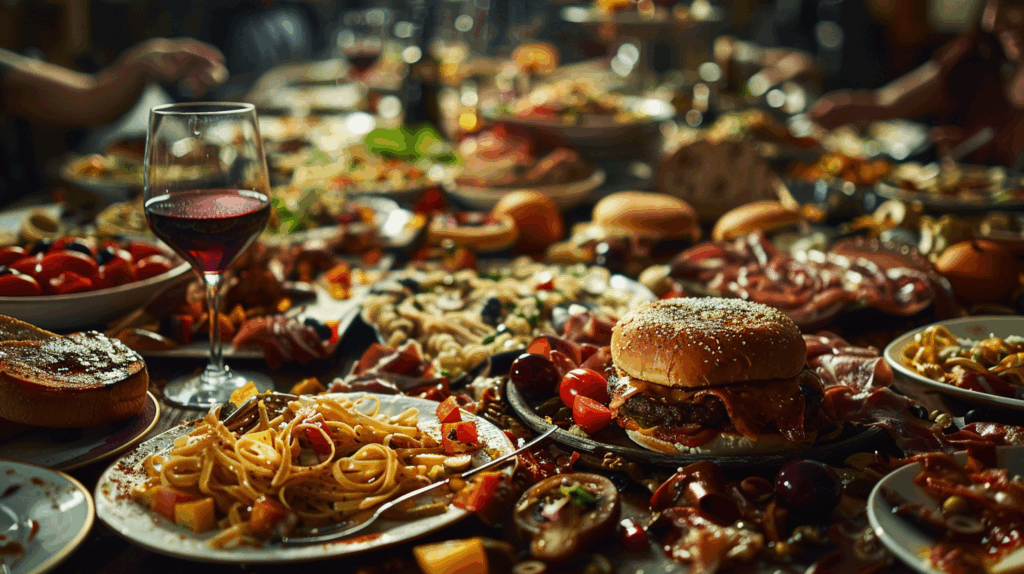
Overordering often stems from a combination of tempting menu designs and social dynamics that encourage you to pile on more than you can eat.
The overordering consequences are significant—around 30-40% of food in restaurants goes uneaten, leading to economic losses and environmental harm. In fact, spending patterns indicate that casual dining restaurants are the most frequented, which can contribute to a higher likelihood of overordering.
To combat this, consider food waste solutions like sharing dishes or opting for smaller portions.
Before you order, review menu descriptions focusing on portion sizes. Don’t hesitate to ask your server for guidance on appropriate amounts.
Also, try ordering one course at a time to gauge your hunger levels.
Ignoring Daily Specials and Chef Recommendations
While dining out, you might overlook daily specials and chef recommendations, missing out on unique culinary experiences. Specials are important because they showcase a chef’s creativity and offer exclusive dishes you can’t find regularly. By ignoring them, you risk losing out on exciting flavors and potential pairings, like premium wines or appetizers. Additionally, utilizing seasonal ingredients in daily specials not only enhances flavor but also aligns with sustainability practices, appealing to environmentally conscious diners.
Here’s a quick look at the benefits of paying attention to specials:
| Benefit | Description |
|---|---|
| Scarcity and Urgency | Motivates quick decisions to avoid missing out. |
| Exclusivity | Unique dishes enhance your dining experience. |
| Upselling Opportunities | Special pairings increase culinary enjoyment. |
| Customer Loyalty | Engaging with specials fosters repeat visits. |
| Chef’s Showcase | Highlights seasonal ingredients and creativity. |
Don’t miss out!
Skipping Questions About Ingredients and Preparation
How often do you skip asking about ingredients and preparation when dining out? Many diners overlook the importance of ingredient inquiries, which can lead to allergic reactions or dietary conflicts.
Without these questions, you might unknowingly consume allergens like nuts or gluten. Understanding how your food is prepared is equally vital; knowing whether a dish is fried or grilled can impact your meal’s healthiness and flavor. Food safety practices are essential to ensure that your meal aligns with your needs, as they can help you avoid potential health risks.
Preparation transparency also helps you manage dietary restrictions, ensuring your meal aligns with your needs. By asking about ingredients and cooking methods, you safeguard your health and enhance your dining experience.
Don’t hesitate—your questions can prevent unexpected surprises and improve your overall satisfaction at the table.
Disregarding Portion Sizes
Many diners neglect to contemplate portion sizes when eating out, which can lead to unintended overeating and subsequent health issues. Restaurants often serve meals that far exceed human energy requirements, making portion control essential. When faced with large portions, you might consume more than intended, overriding your body’s natural satiety cues. In fact, a recent study found that large restaurant portions contribute significantly to the global obesity epidemic. To combat this, practice mindful eating by paying attention to your hunger signals and the amount of food on your plate. Consider sharing dishes or ordering appetizers as mains to help manage portions. Asking for half portions or taking leftovers home can also aid in reducing calorie intake.
Not Tipping Appropriately for Good Service
Ever wondered why tipping is so crucial when dining out? It’s not just a custom; it’s a critical part of tipping etiquette that directly impacts service quality.
At full-service restaurants, aim to tip between 15% to 20% of the pre-tax bill. For excellent service, consider tipping 25% or more.
Remember, leaving less than 15% can shortchange servers who often earn as little as $2.13 an hour. Be mindful of automatic gratuity for larger parties to avoid double tipping, and always calculate your tip based on the pre-tax amount.
Adjust your tip according to the service you received, as not doing so can affect staff morale and future service. Tipping at quick-service or fast-casual spots is discretionary, so it’s important to recognize the context of the dining experience. Tipping fairly shows appreciation for good service.