


Common bodybuilding mistakes include overtraining without proper recovery, inadequate protein intake, frequently changing workout programs, using improper form, and inconsistent training schedules. Other errors involve neglecting sleep quality, creating muscle imbalances, lifting inappropriate weights, failing to implement progressive overload, and overlooking hydration needs. Each mistake considerably hinders muscle development and strength progression. Understanding these pitfalls and implementing the corresponding fixes can transform frustrating plateaus into substantial gains.

Why do so many dedicated gym-goers fail to see the results they expect? Often, it’s not a lack of effort but rather common mistakes sabotaging their progress.
Consistently overtraining represents a significant error that many make, pushing muscles beyond recovery capacity. The body builds muscle during rest periods, not workouts. The solution is implementing adequate recovery days and listening to the body’s signals of fatigue or persistent soreness.

Rest isn’t laziness—it’s when your muscles actually grow. Ignore recovery at your gains’ peril.
Poor nutrition undermines even the most rigorous training regimen. Many bodybuilders either undereat, particularly regarding protein intake, or consume excessive calories hoping to accelerate muscle growth. Proper muscle development requires approximately 1.6-2.2g of protein per kilogram of bodyweight daily, coupled with appropriate carbohydrate and fat consumption aligned with individual goals.
Program hopping prevents progression tracking and muscular adaptation. Constantly switching routines before giving them sufficient time to work leads to minimal gains. Committing to a structured program for 8-12 weeks before assessment and adjustment allows the body to respond and adapt properly.
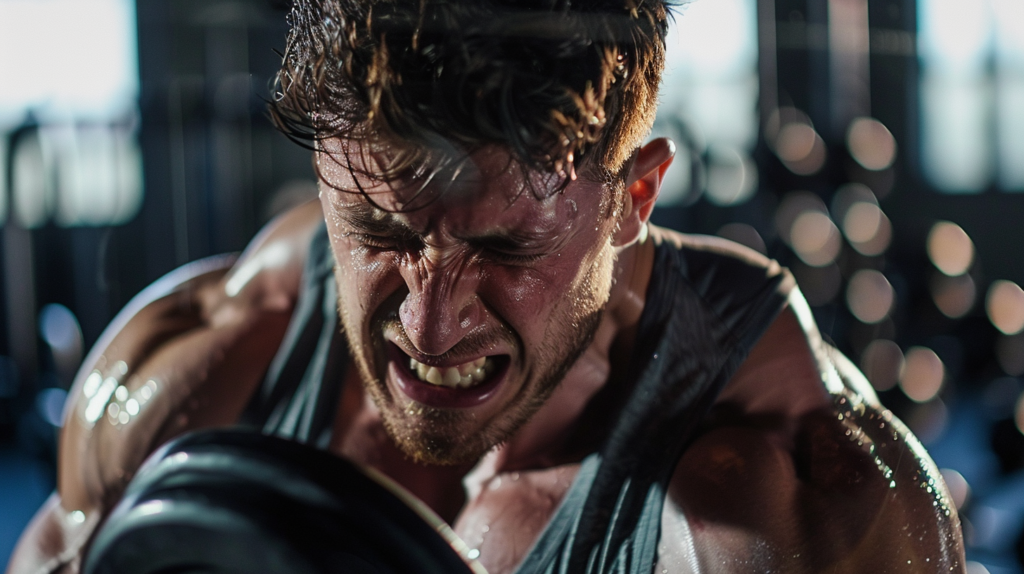
Improper form not only limits muscle engagement but increases injury risk. Lifting with ego rather than technique reduces effectiveness and safety. Reducing weight to perfect movement patterns ensures targeted muscle stimulation while preventing setbacks from injury.
Neglecting progressive overload stunts growth potential. Muscles adapt to consistent stimuli, requiring increasing challenges to continue developing. Systematically increasing weight, repetitions, sets, or decreasing rest periods provides the necessary stimulus for continued growth.
Sleep deprivation severely impairs recovery processes and hormonal balance critical for muscle synthesis. Prioritizing 7-9 hours of quality sleep optimizes testosterone and growth hormone production while reducing catabolic cortisol levels.
Finally, inconsistency prevents momentum building in any fitness journey. Sporadic training or nutrition creates a cycle of progress and regression. Establishing sustainable, repeatable routines that fit realistically within lifestyle constraints guarantees steady gains over time.
The most impressive physiques reflect years of consistent effort, not extreme short-term measures. By addressing these common pitfalls with practical solutions, bodybuilders can break through plateaus and achieve the results their dedication deserves.
Frequently Asked Questions
How Long Does It Take to See Noticeable Muscle Gains?
Noticeable muscle gains typically occur within 4-8 weeks of consistent training.
Beginners may see changes faster due to neurological adaptations.
Factors affecting this timeline include genetics, diet quality, protein intake, training intensity, recovery adequacy, and sleep patterns.
Visible results depend on body fat percentage, with lower body fat making muscle definition more apparent.
Progressive overload and proper nutrition remain fundamental for continued development.
Is Cardio Necessary for Bodybuilding Success?
Cardio is not strictly necessary for bodybuilding success.
While it offers cardiovascular health benefits and can aid in fat loss during cutting phases, many successful bodybuilders minimize cardio to prevent interference with muscle growth.
Strategic cardio implementation can enhance recovery and work capacity without compromising gains.
The ideal approach depends on individual goals, with moderate cardio typically being beneficial for overall health while pursuing bodybuilding objectives.
Should I Train When Sore or Take Additional Rest Days?
Training with mild soreness is generally acceptable, but severe pain indicates the need for additional recovery.
Experienced bodybuilders often distinguish between normal DOMS (delayed onset muscle soreness) and actual injury.
Active recovery through light movement can help reduce soreness.
Most successful bodybuilders follow programmed rest days rather than taking unplanned breaks whenever soreness appears, ensuring consistent progress without compromising recovery.
How Much Protein Is Optimal for Natural Bodybuilders?
Research suggests natural bodybuilders should consume between 1.6-2.2g of protein per kg of bodyweight daily for ideal muscle growth.
Higher intakes around 2.3-3.1g/kg may be beneficial during caloric restriction to preserve lean mass.
Protein should be distributed across 3-6 meals throughout the day, with each meal containing 20-40g of high-quality protein for maximal muscle protein synthesis stimulation.
Are Cheat Meals Beneficial for Muscle Growth?
Cheat meals can be beneficial for muscle growth when strategically implemented. They provide psychological relief from strict dieting, potentially boosting metabolism through temporary caloric increases.
These meals can replenish glycogen stores, which may enhance subsequent training performance. However, their benefit depends on overall dietary adherence and individual metabolic factors.
For best results, bodybuilders should limit cheat meals to once weekly and maintain protein intake during these occasions.